Agricultural Electric Motor Repair in Central Minnesota: What Farmers Need to Know in 2026
Farmers across Kandiyohi County depend on reliable electric motors every day, and understanding motor repair in Willmar, MN, can mean the difference between a smooth season and a costly breakdown. From corn and soybean operations near New London and Lake Lillian to hog and turkey facilities outside Spicer and Pennock, Central Minnesota agriculture runs on electric motors. When one fails mid-harvest or during a summer heat wave, the financial pressure adds up fast. This guide covers the most common agricultural motor failures in the region, when to schedule repairs, and how to work with a motor shop to get back up and running quickly.
Common Agricultural Motor Failures in Kandiyohi County
Farm motors fail for predictable reasons. Knowing what to look for helps you act before a small problem becomes a full shutdown.
Grain auger motors take heavy punishment during fall harvest. Dust, chaff, and moisture work into motor housings, and overloading a jammed auger can burn out windings quickly. Farmers in the Willmar area running high-volume operations often push auger motors hard from September through November.
Irrigation pump motors face different problems. Minnesota's wide temperature swings cause electrical connections to expand and contract, loosening connectors over time. Loose connections create heat buildup that breaks down winding insulation and leads to shorts. A pump motor that runs dry, even briefly, can overheat in minutes.
Livestock ventilation fans are critical for hog, poultry, and dairy operations throughout Kandiyohi County. A failed fan motor during a July heat event can put an entire building at risk within hours. These motors often fail gradually, with bearing wear or capacitor failure causing performance loss before a full stop.
Other common failure points include conveyor motors seized from grain dust, grain dryer fans overheating during extended drying cycles, well pump motors corroded by mineral deposits, and control panel wiring damaged by rodents over winter. Electric Motor Service Inc. handles all of these through its
agricultural electrical repair services for operations across the region.
When Should Farmers Schedule Motor Repairs?
The best windows for motor inspection and service are early spring before planting ramps up and late winter after harvest is complete. Scheduling off-season gives a motor shop time to complete diagnostics, order parts, and return equipment before the next busy period. Waiting until a motor fails during peak irrigation in July or grain harvest in October often means competing with other operations for shop time. Producers who prioritize motor repair in Willmar, MN, during slower months consistently avoid costly delays.
A practical schedule for Kandiyohi County farms: inspect irrigation pump motors in March or April before center pivots go into service, check grain dryer and auger motors in August before harvest, and schedule ventilation fan inspections during winter when livestock building pressures are lower. Preventive maintenance including bearing checks, insulation resistance testing, and cleaning debris from motor housings can extend motor life and catch early warning signs before they become failures. If you want to get ahead of the season, you can
request service online to lock in a convenient time.
On-Site vs. Shop Repair: What Works for Farm Operations
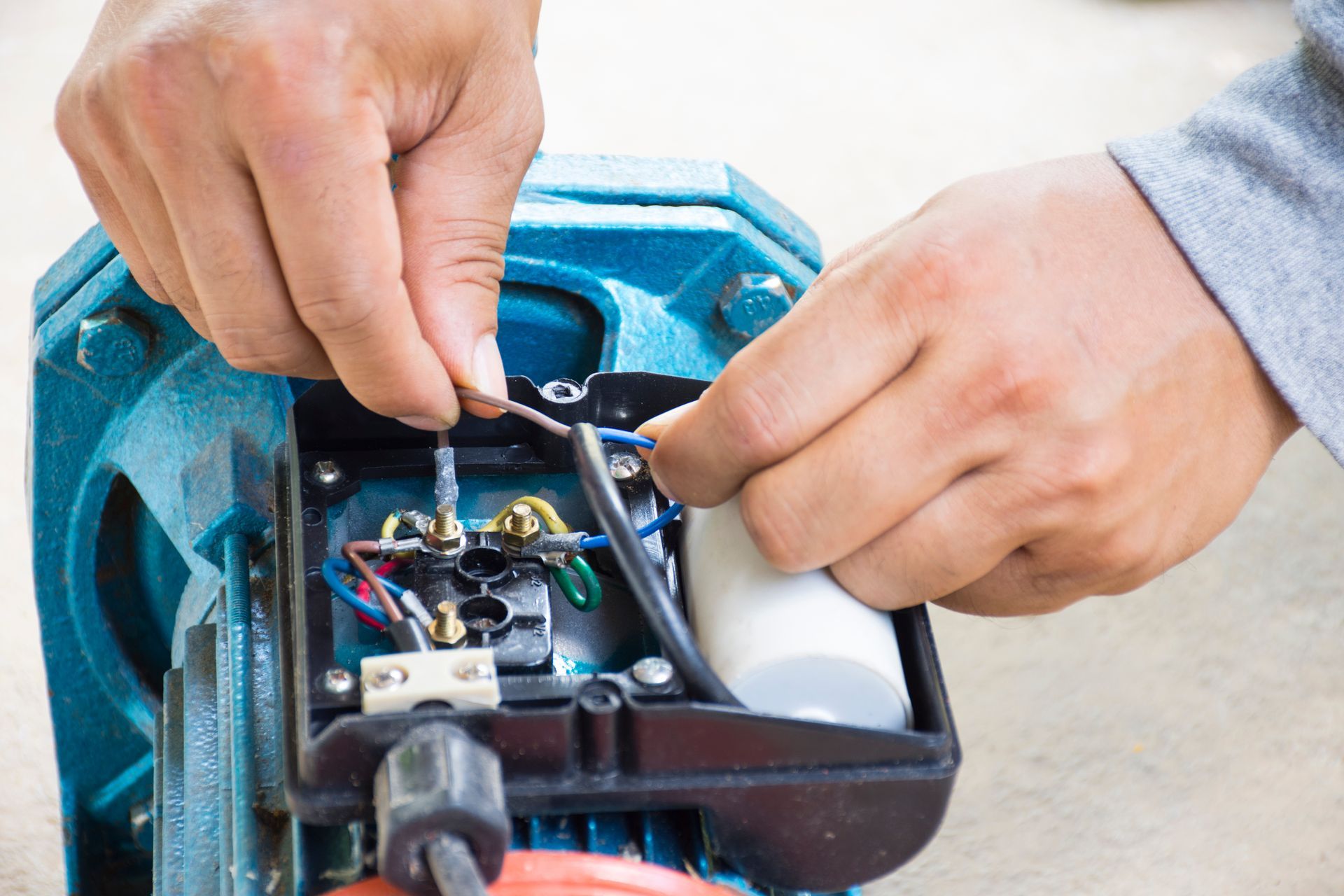
Minor issues such as a failed capacitor, a seized bearing, or a loose connection can often be diagnosed and resolved on-site by a mobile technician. For operations where taking a motor offline means stopping a grain bin or ventilation system, an on-site visit may be the fastest path back to full operation.
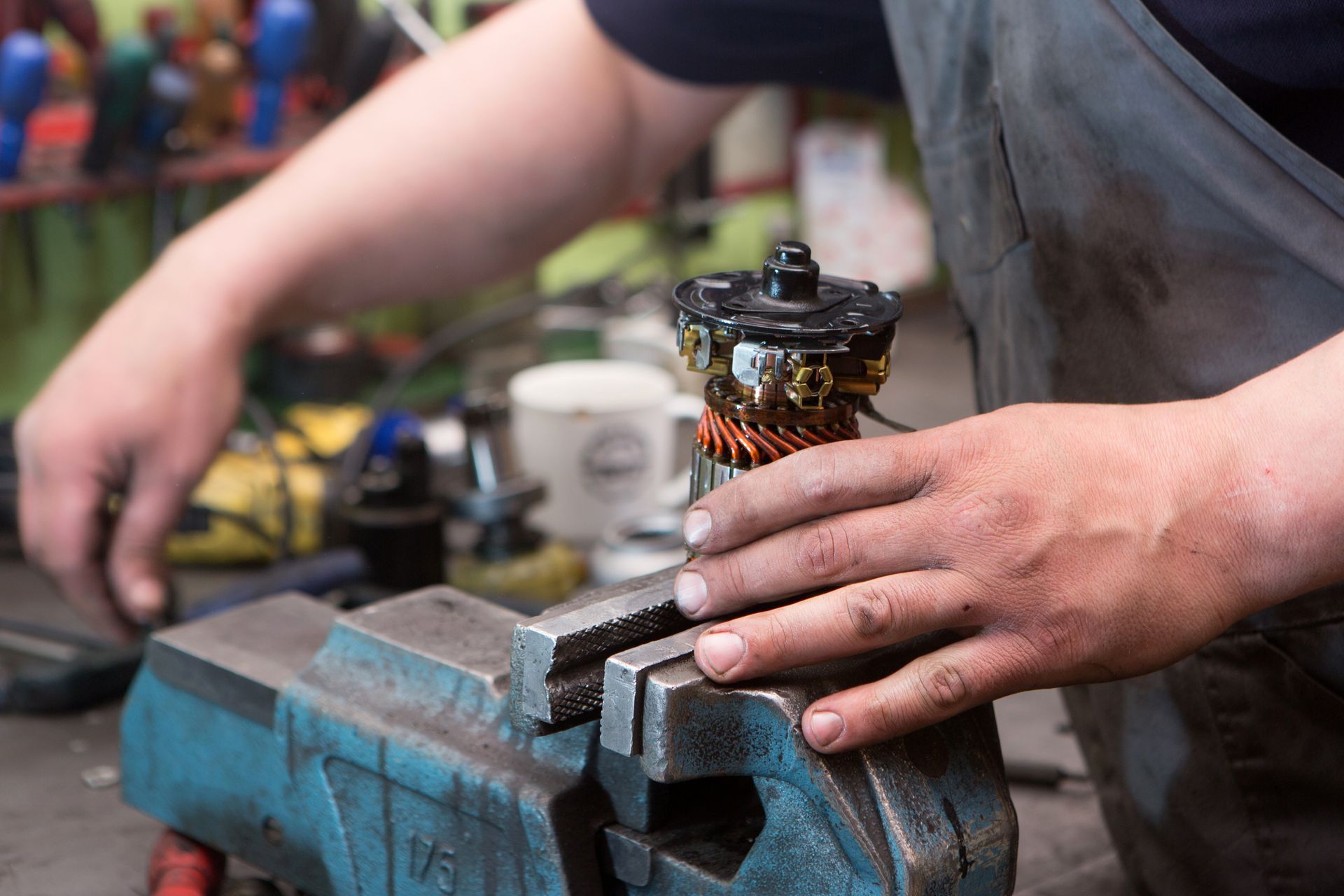
More complex work including full rewinds, complete rebuilds, or gearbox repairs requires a fully equipped shop with specialized tools and testing equipment that cannot be brought to a field. When deciding, consider the motor size, the nature of the failure, and how quickly you need it back. A technician can often advise you over the phone before any travel is scheduled.
What to Have Ready When Contacting a Motor Shop
Providing good information upfront helps a shop prepare and speeds up the process. Have the following ready: the motor nameplate data including horsepower, voltage, RPM, and frame size; a description of what happened before the failure such as unusual noise or tripped breakers; the make and model of the equipment the motor drives; any recent service history; and whether you need on-site service or can bring the motor to the shop.
What Does a Motor Inspection Typically Cover?
A thorough evaluation generally includes visual inspection of the housing and shaft, insulation resistance testing for winding degradation, bearing inspection, and a review of the operating environment. If the motor passes initial testing, a technician may run it under load to confirm full performance before returning it to service.
Can a Motor Be Rewound Instead of Replaced?
In many cases, yes. A rewind replaces the copper windings inside the motor rather than purchasing a new unit. This is often practical for larger agricultural motors where replacement costs are high and lead times on new units can be long. A motor shop can assess whether rewinding is the better value.
How Does Dust and Moisture Affect Farm Motor Life?
Grain dust clogs ventilation openings and causes motors to run hot. Moisture from outdoor exposure or livestock condensation accelerates winding insulation breakdown. Keeping ventilation openings clear, using enclosures rated for the environment, and scheduling regular inspections extend service life considerably. Farms that schedule motor repair in Willmar, MN, proactively tend to see fewer weather-related failures than those that wait for complete breakdowns.
Get Your Farm Motors Ready for the 2026 Season
Reliable motor repair in Willmar, MN, is available through Electric Motor Service Inc., serving Kandiyohi County farms and agricultural operations across Central Minnesota. The team services irrigation pump motors, grain auger and dryer components, conveyor systems, and livestock ventilation equipment, with mobile on-site options and full shop repairs available. Call
(320) 251-8691 to schedule service or request a quote. A quick inspection now can keep your operation moving all season long.
Recent Posts